Top 15 Snake wire Applications for Cleaner, Safer Industrial Installations
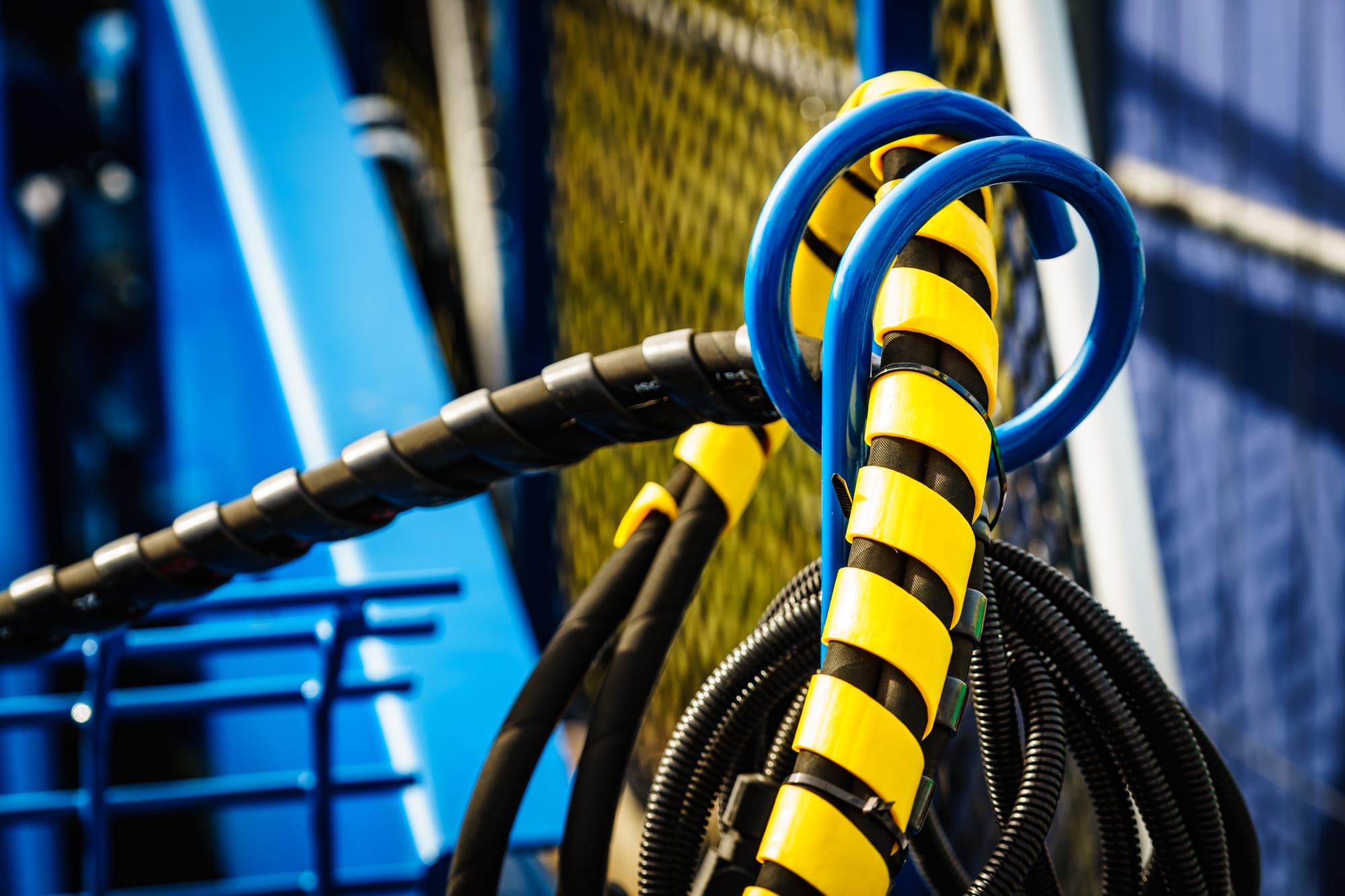
ADMS works with industrial teams that want installations to be cleaner, safer, and easier to maintain. One of the simplest upgrades that delivers outsized results is better cable and hose management. Snake wire, also called spiral wire wrap or spiral cable wrap, is a flexible, slit tubing that spirals around a bundle to organize, protect, and route lines without needing to disconnect connectors. It is used across electrical, instrumentation, automation, and fluid handling because it adapts to irregular shapes and allows easy breakout points for branches.
This article covers the top 15 snake wire applications for improving order, reducing hazards, and raising reliability in industrial environments. Each application includes practical tips, selection guidance, and common mistakes to avoid so you can standardize installations and make future changes faster.
What snake wire is and why it matters in industry
Snake wire is a protective wrap that coils around cables, wires, small hoses, and tubing. The spiral shape provides 360 degree coverage while letting you exit individual lines anywhere along the run. Compared with tape or zip ties alone, snake wire improves abrasion resistance, reduces snagging, controls clutter, and limits damage from vibration and incidental contact. Compared with closed loom, it is easier to apply after connectors are installed and it supports branching without cutting and re-splicing.
Common materials include polyethylene and polypropylene for general use, nylon for higher abrasion resistance, and specialty polymers for elevated temperature or chemical exposure. Some versions are UV stabilized for outdoor installations, flame retardant for code-sensitive areas, and antistatic for electronics and sensor environments.
Key benefits you can measure
- Cleaner routing: reduces visual clutter and makes tracing circuits or signal lines quicker.
- Safer work areas: reduces trip hazards and snag points, and keeps lines grouped and away from moving parts.
- Improved uptime: helps prevent insulation wear, intermittent faults, and hose leaks caused by abrasion and vibration.
- Faster modifications: allows adding or removing a cable without fully dismantling the entire harness.
- Better compliance readiness: encourages consistent separation, labeling, and protection practices that support inspections.
Selection basics before you apply snake wire
- Diameter sizing: choose a size that covers the bundle with slight overlap. Undersizing causes stretching and gaps, oversizing reduces stability and protection.
- Pitch and wall thickness: tighter pitch gives more coverage and abrasion resistance, wider pitch is lighter and easier to branch.
- Material compatibility: verify resistance to oils, coolants, solvents, and cleaning chemicals used at your site.
- Temperature: match the wrap rating to ambient and localized heat sources such as motors, heaters, or exhausts.
- Flame and smoke needs: consider flame retardant variants for panels, cable trays, and areas under facility standards.
- Static control: antistatic versions can help in sensitive electronics areas.
Top 15 snake wire applications for cleaner, safer industrial installations
1. Control panel wire dress and internal harnessing
Inside control panels, wire dress affects both safety and serviceability. Even when wiring is technically correct, unbundled conductors and inconsistent routing slow troubleshooting and increase the risk of accidental disconnection. Snake wire is useful inside panels for secondary harnessing, especially where conductors must branch to terminal blocks, relays, PLC I/O, or drives.
- Where it fits: between wire duct segments, around door-mounted devices, across swing-out panels, and in retrofit spaces where duct capacity is limited.
- Cleanliness benefit: bundles look uniform, and loose wires are less likely to sag into sharp edges or moving hinges.
- Safety benefit: reduces chafe points that can lead to insulation failure and faults.
- Tip: combine snake wire with heat shrink labels at breakout points so technicians can identify each branch quickly.
- Avoid: using wrap as a substitute for proper wire duct, strain relief, and bend radius control.
2. Machine tool enclosures and CNC cable organization
Machine tools generate vibration, coolant mist, and frequent access for maintenance. Cable runs for spindle motors, encoders, limit switches, coolant pumps, and safety devices can become tangled and damaged over time. Snake wire helps keep related cables together and protected without preventing breakout to sensors or door interlocks.
- Where it fits: door loops, pendant controls, sensor bundles along the frame, and internal runs between junction boxes.
- Cleanliness benefit: keeps mixed cables and air lines from snagging on sheet metal edges and brackets.
- Safety benefit: reduces abrasion that can create signal dropouts or unexpected stops.
- Tip: select oil and coolant resistant material, and verify it stays flexible at low temperatures if the machine is in a cold area.
- Avoid: wrapping high power motor leads together with sensitive encoder lines. Use separation or shielding practices to reduce noise coupling.
3. Robotics dress packs and end-of-arm tooling bundles
Robots bring repeated motion, torsion, and acceleration. Dress packs often include power,Ethernet, IO, pneumatic lines, and sometimes vacuum tubing. Snake wire can be used as a modular outer wrap or as localized protection on segments prone to rubbing, especially near brackets or the wrist where minor interference can become major wear over cycles.
- Where it fits: around mixed bundles from the robot base to the wrist, and at EOA tool transitions where cables branch.
- Cleaner routing: keeps the dress pack compact, reducing interference with guarding and fixtures.
- Safer operation: helps prevent line catching that can trigger faults or cause hose rupture.
- Tip: test the wrap in full range of motion, check for rubbing at maximum extension, and add protective sleeves or clamps where necessary.
- Avoid: using snake wire as the only strain relief. Use proper mounting points to manage tug forces.
4. Conveyor systems, photoeye wiring, and sensor branchouts
Conveyors combine long runs with frequent sensor drops. Photoeyes, proximity sensors, encoder feedback, and safety switches often branch off the main trunk at irregular intervals. Snake wire is ideal because branches can exit anywhere without cutting a rigid loom. This improves both aesthetics and maintenance speed when sensors are moved or added.
- Where it fits: along conveyor side rails, under frames, and into local junction boxes or IO blocks.
- Cleanliness benefit: fewer dangling sensor leads, better cable discipline across the line.
- Safety benefit: reduced snagging and trip hazards in walkways, especially near maintenance access points.
- Tip: pair wrap with adhesive mounts or metal clips at consistent intervals to prevent sagging.
- Avoid: over-tight bend paths at corners. Maintain bend radius for Ethernet and fiber if present.
5. Cable tray drop-outs and vertical risers
Cable trays organize long runs, but the transition from tray to equipment is where disorder, abrasion, and poor labeling often occur. Snake wire can bundle drop-out cables, protect them on sharp tray edges, and keep vertical risers neat. Because it can be applied without disconnecting, it is excellent for retrofits and incremental tidy-ups.
- Where it fits: tray exit points, vertical drops to MCCs or panels, and areas where bundled cables must pass through openings.
- Cleanliness benefit: uniform risers make inspections and tracing faster.
- Safety benefit: reduces rubbing on edges and reduces snag hazards for personnel working near the tray.
- Tip: use edge grommeting or tray bushings as the first line of protection, then add snake wire down the run for abrasion resistance.
- Avoid: wrapping too tightly at the tray exit, which can concentrate stress and accelerate jacket wear.
6. Motor and pump skid instrumentation bundling
Skids for pumps, blowers, compressors, and process units typically carry a combination of power, control, and instrumentation cables. The environment may include oil, grease, vibration, and temperature gradients. Snake wire helps keep small instrument lines aligned, reduces chafe against frame members, and makes the skid look professionally finished.
- Where it fits: around bundles running along skid base rails, to transmitters, to solenoid valves, and across removable guards.
- Cleaner installation: consistent bundles reduce confusion when multiple similar instruments exist.
- Safer maintenance: reduces accidental snags while removing guards or working near rotating couplings.
- Tip: separate analog signal wiring from VFD motor leads when possible, and use shielded cable with proper grounding practices.
- Avoid: running wrap directly against hot surfaces like discharge piping without verifying temperature compatibility.
7. Packaging equipment wiring, pneumatics, and vacuum tubing management
Packaging lines include frequent actuation and many small pneumatic tubes paired with sensor cables. Tubes can kink or abrade, and cables can get pulled during changeovers. Snake wire can bundle air lines and electrical together when appropriate, keeping the machine tidy and reducing accidental disconnections. It can also be used purely for pneumatics to keep multiple tubes organized and reduce tangling.
- Where it fits: around tube clusters to valve manifolds, across moving sections guarded by cable carriers, and at panel to machine transitions.
- Cleanliness benefit: faster cleaning and inspection because lines are grouped.
- Safety benefit: fewer loose tubes to snag, and improved visibility of pinch points.
- Tip: avoid compressing soft pneumatic tubing, choose a wrap size that supports the bundle without deforming it.
- Avoid: mixing incompatible media lines, for example compressed air and aggressive chemical dosing tubes, unless your segregation policy allows it.
8. Welding cells, fixture wiring, and spatter-adjacent protection
Welding environments challenge cable protection due to spatter, heat, and metal dust. While snake wire is not a full replacement for dedicated welding cable sleeves, it can provide secondary bundling and abrasion resistance away from the direct arc area. It is also useful for fixture sensors and clamp wiring where the biggest risk is rubbing and snagging.
- Where it fits: fixture sensor harnesses, safety device wiring, and auxiliary cables routed on cell frames away from the weld zone.
- Cleaner routing: reduces loose harnesses that collect spatter and dust.
- Safer operation: lower risk of insulation cuts leading to intermittent sensor faults.
- Tip: in spatter zones, pair with a heat rated outer sleeve or route behind shielding. Validate material temperature limits.
- Avoid: placing standard plastic wrap where spatter can land directly and melt it.
9. Outdoor installations, UV exposure, and weathering control
Outdoor equipment such as pumps, water treatment skids, tank farms, remote IO, and security systems face UV, rain, wind, and temperature cycling. Cable jackets can crack over time, and weathered bundles become messy and fragile. UV stabilized snake wire adds an extra protective layer and keeps cabling orderly in exposed runs.
- Where it fits: along fence lines, on outdoor skids, under canopy structures, and from weatherproof junction boxes to field devices.
- Cleanliness benefit: reduces flapping lines and improves appearance for visible installations.
- Safety benefit: helps prevent jacket wear that can lead to ground faults or corrosion at terminations.
- Tip: use UV rated wrap and corrosion resistant clips. Inspect annually for brittleness.
- Avoid: relying on wrap to make a non outdoor rated cable acceptable outside. Start with proper cable and glands.
10. Maintenance retrofits, cable clean-up, and quick standardization
Many sites inherit years of add-ons, temporary fixes, and rushed changes. A full rewire is expensive, but leaving the mess increases downtime risk. Snake wire is one of the fastest ways to standardize without major disassembly. Because it can be installed around existing connectors, you can tidy a machine during planned downtime and immediately improve maintainability.
- Where it fits: messy harnesses near panels, overhead drops, test stands, and work cells with multiple revisions.
- Cleaner installation: bundles become traceable, and labels remain accessible at branch points.
- Safer work areas: reduces loose cable loops that catch on carts, ladders, or PPE.
- Tip: establish a site guideline, for example size ranges, preferred colors, and clamp spacing, so retrofits look consistent across assets.
- Avoid: wrapping over damaged insulation. Repair or replace the cable first.
11. Vibration-prone areas, skid frames, and rotating equipment adjacency
Vibration is a leading cause of cable wear in industrial plants. Even properly supported cables can rub at contact points over time. Snake wire provides a sacrificial abrasion layer and helps distribute friction. When combined with proper clamps and grommets, it can significantly reduce jacket wear near motors, gearboxes, and rotating couplings.
- Where it fits: near pump bases, on compressor skids, near vibrating screens, and on structural members where cables touch.
- Cleaner routing: keeps bundles compact, making it easier to support them away from vibration sources.
- Safety benefit: reduces the chance of exposed conductors or short circuits from abrasion.
- Tip: identify contact points and add standoffs or clamps so the wrap is not constantly rubbing on metal edges.
- Avoid: using wrap to compensate for poor support. Fix routing first, then protect.
12. Mobile equipment, carts, test rigs, and temporary installations
Mobile stations, diagnostic rigs, and temporary installations often have cables dragged across floors, packed into cases, and reconnected frequently. This is where snake wire shines because it keeps multi-lead bundles together, lowers tangling, and adds abrasion resistance. It also makes it easier to maintain a neat appearance when equipment is shared across shifts.
- Where it fits: test benches, portable sensor arrays, calibration kits, mobile pump carts, and rental equipment skids.
- Cleanliness benefit: fewer loose leads and fewer knots in storage.
- Safety benefit: less chance of tripping over stray lines, and reduced snagging on handles and corners.
- Tip: choose a wrap color that indicates ownership or purpose, and add durable labels at both ends.
- Avoid: wrapping bundles so tightly that you cannot replace one damaged lead without redoing the whole harness.
13. Instrumentation tubing and capillary line organization
Not all snake wire use is electrical. Plants often have small-bore tubing for instrument air, sampling, pressure transmitters, and capillary lines. These can become tangled, kinked, or damaged by incidental contact. Spiral wrap can bundle tubes without fully enclosing them, maintaining flexibility and allowing branch exits near manifolds or transmitters.
- Where it fits: around tube bundles running from manifolds to transmitters, along structure to analyzers, and within skid enclosures.
- Cleaner routing: tubing paths are easier to follow, and it is simpler to spot leaks or damage.
- Safer maintenance: fewer loose tubes that can be bent or crushed during work.
- Tip: verify chemical compatibility if tubing carries corrosive or solvent-laden samples. The wrap should not degrade or embrittle.
- Avoid: compressing tubing at tight bends. Maintain minimum bend radius for the tubing type.
14. Data and network cabling in industrial Ethernet, cameras, and access control
Industrial networks now run through harsh environments and alongside power wiring. Cameras, barcode readers, access control, and industrial Ethernet nodes often sit on moving or exposed structures. Snake wire can keep data cables organized, reduce snagging, and provide abrasion resistance. It is especially useful for camera and sensor clusters where multiple leads leave a single pole or enclosure.
- Where it fits: camera masts, machine vision stations, cell entrances, and remote IO drops.
- Cleaner routing: reduces cable spaghetti around network switches and power injectors.
- Safer reliability: reduces intermittent disconnections caused by pulled connectors or jacket wear.
- Tip: maintain separation from high EMI sources when possible, and do not crush shielded Ethernet cables. Use strain relief at plugs.
- Avoid: mixing high voltage and data cabling in the same bundle unless your standards allow and shielding is appropriate.
15. Housekeeping in hazardous areas, clearances, and guarding interfaces
Many facilities have areas with strict requirements for cable protection, clearances, and guarding. While snake wire is not a certified hazardous area solution on its own, it supports better housekeeping by keeping bundles compact and away from hot surfaces, moving components, and pinch points. It also reduces the chance of stray wires interfering with guard doors, light curtains, and interlock switches.
- Where it fits: near guarding interfaces, around safety device cable clusters, and at transitions where cables pass close to moving mechanisms.
- Cleaner installation: better separation and neater routing helps during audits and safety reviews.
- Safer workplace: fewer unexpected cable snags that can defeat safety device positioning or damage wiring to e-stops and interlocks.
- Tip: document your routing, take photos after improvements, and include wrap type and size in the asset file so future work matches.
- Avoid: assuming wrap addresses all compliance needs. Follow electrical codes, hazardous area rules, and OEM cable spec guidance.
Implementation tips that apply to all 15 applications
To get consistent results across the plant, standardize how you choose, install, and maintain snake wire. These practices reduce rework and ensure protection benefits last.
- Start with a routing plan: bundle only what belongs together. Keep power, analog, and network separation policies in mind.
- Use proper support spacing: snake wire protects, but it does not prevent sag. Add clamps, P-clips, or tray supports as required.
- Protect edges first: grommets, bushings, and edge trim prevent cuts at pass-throughs. Wrap is secondary protection, not a substitute.
- Keep labels visible: label at endpoints and at branch points. If wrap covers existing labels, add new ones outside the wrap.
- Leave service loops intentionally: enough slack to service devices, but not so much that loops hang into walkways or moving parts.
- Choose colors with purpose: for example black for general, yellow for safety circuits, blue for network, or a site-coded scheme.
- Inspect during PMs: look for flattening, discoloration, brittleness, or abrasion-through. Replace wrap when it becomes the wear item.
- Train technicians: consistent installation methods matter. A quick standard work instruction prevents mixed results.
Common mistakes that reduce cleanliness and safety
- Wrapping damaged cables: always repair cuts, cracked jackets, or exposed shielding before bundling.
- Overloading bundles: too many lines in one wrap makes future troubleshooting hard and can create heat buildup in certain applications.
- Poor segregation: mixing noisy power with low level signals can cause control issues. Bundle smartly, not just neatly.
- Ignoring temperature and chemical exposure: the wrong polymer can turn brittle, swell, or crack, creating debris and failures.
- Using wrap where rigid protection is required: for crushing hazards or high impact zones, conduit, armored cable, or heavy sleeve may be needed.
- No strain relief: connectors fail when the bundle moves. Wrap does not replace glands, clamps, or cord grips.
How to specify snake wire for purchasing and standardization
If you want consistent results, your specification should be simple enough for maintenance teams to follow and complete enough to ensure the material matches the environment.
- List approved materials: for example general purpose, oil resistant, UV stabilized, and flame retardant.
- Define size ranges: cover typical sensor bundles, mixed harnesses, and larger trunk bundles. Include guidance for overlap and expansion.
- Set color preferences: one or two standard colors reduce confusion, but allow special colors for safety or network if needed.
- Include installation rules: clamp spacing, edge protection requirements, branch labeling, and separation rules.
- Document exceptions: hot zones, weld zones, and hazardous areas where alternate protection methods are required.
Closing perspective from ADMS
Cleaner industrial installations are not only about appearance. They directly affect safety, troubleshooting time, and asset reliability. Snake wire is a low cost, high impact tool that helps plants reduce clutter, protect vulnerable lines, and keep modifications manageable. By applying it intentionally in these 15 applications and pairing it with good routing, support, and labeling practices, you can upgrade both day-to-day housekeeping and long-term maintainability across machines, skids, and facility infrastructure.